
Buying Guides.
The right tool changes the way a project comes together.
From your first screwdriver set to a serious workshop upgrade, discover what matters before you buy. Practical comparisons, useful specifications, and straightforward advice for tools, hardware, and home improvement essentials.
Explore by need
Start with the task, then narrow down the tool. Each guide highlights what to check, what to avoid, and what actually makes a difference.
Power tools
Drills, drivers, grinders, saws and sanders.
02 / HANDHand tools
Everyday essentials that earn their place.
03 / PRECISIONMeasuring tools
Reliable layout, levels and accurate lines.
04 / HARDWAREFasteners
Screws, anchors, brackets and fittings.
05 / FINISHSurface prep
Abrasives, sanding and finishing supplies.
06 / WORKSPACEWorkshop safety
Storage, protection and practical setup.
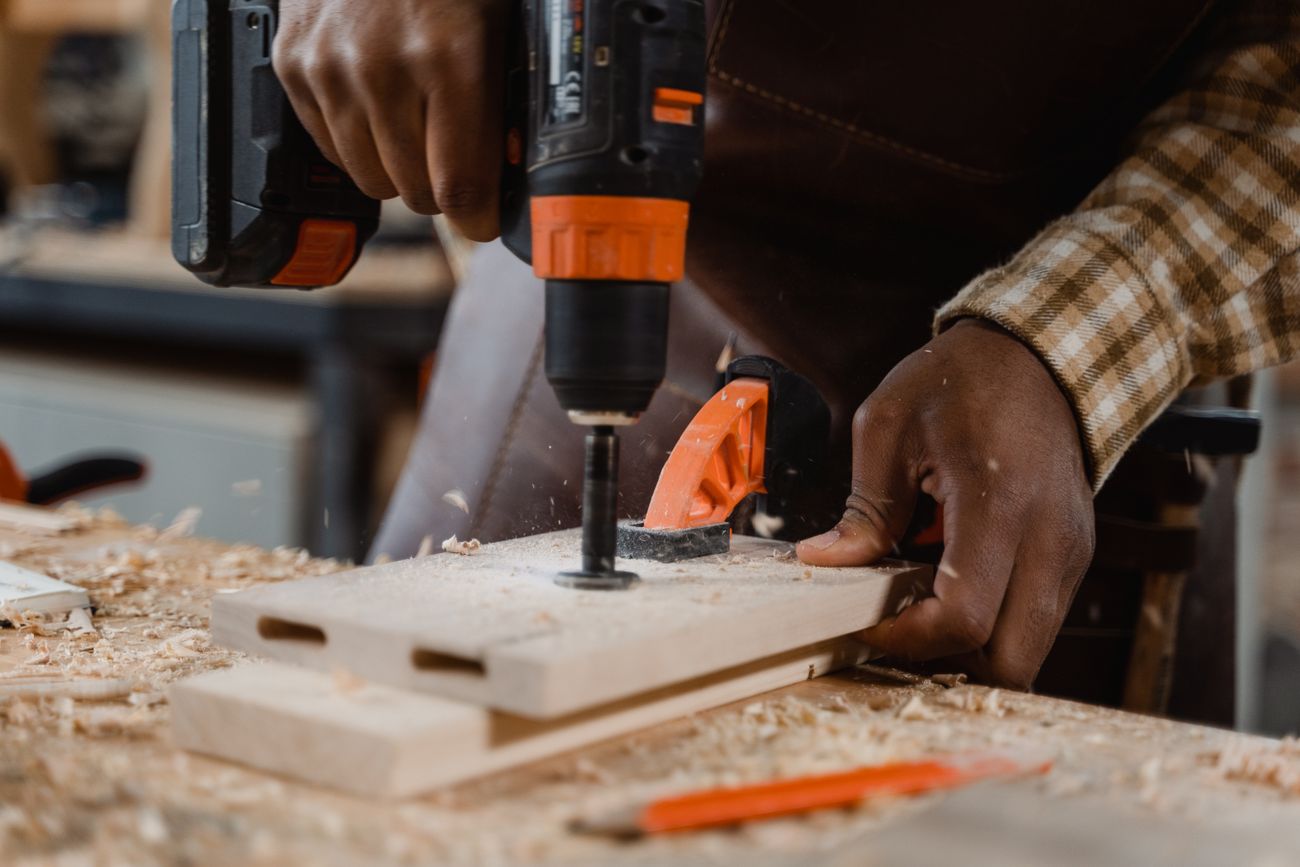
Power tools
More power isn't always more useful. Match the tool, motor, controls and power source to the work in front of you.
Corded or cordless?
Choose cordless for mobility and small jobs; consider corded power for extended work near a suitable outlet. Factor in battery, charger and replacement costs.
Match torque and speed
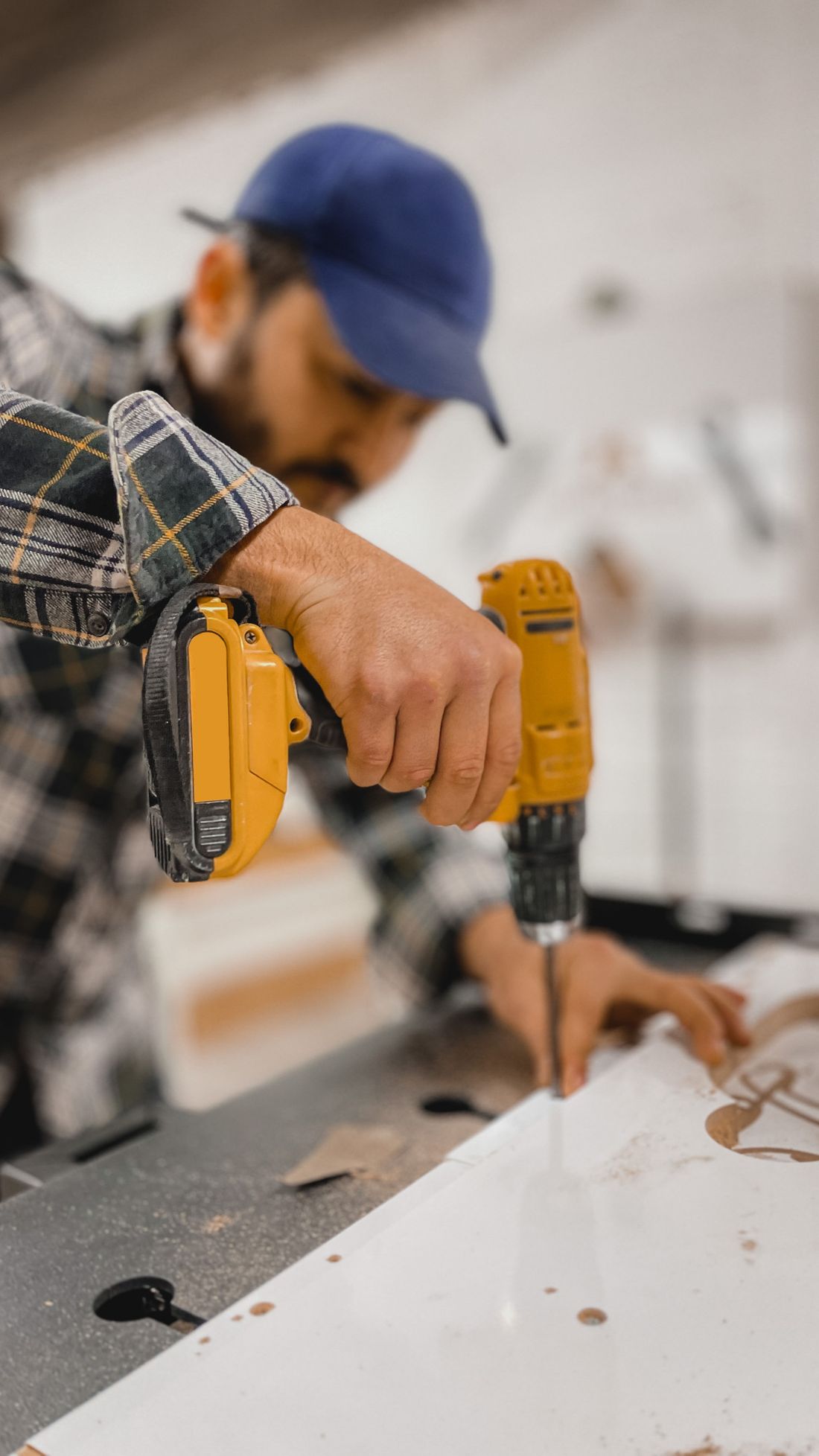
A drill-driver's clutch settings, adjustable speed and rated capacity matter more than headline voltage alone. Confirm the material and fastener size it can handle.
Check the complete kit
Inspect what comes in the box: bits, blades, discs, guards, batteries, chargers, cases and compatible replacement accessories.
Hand tools
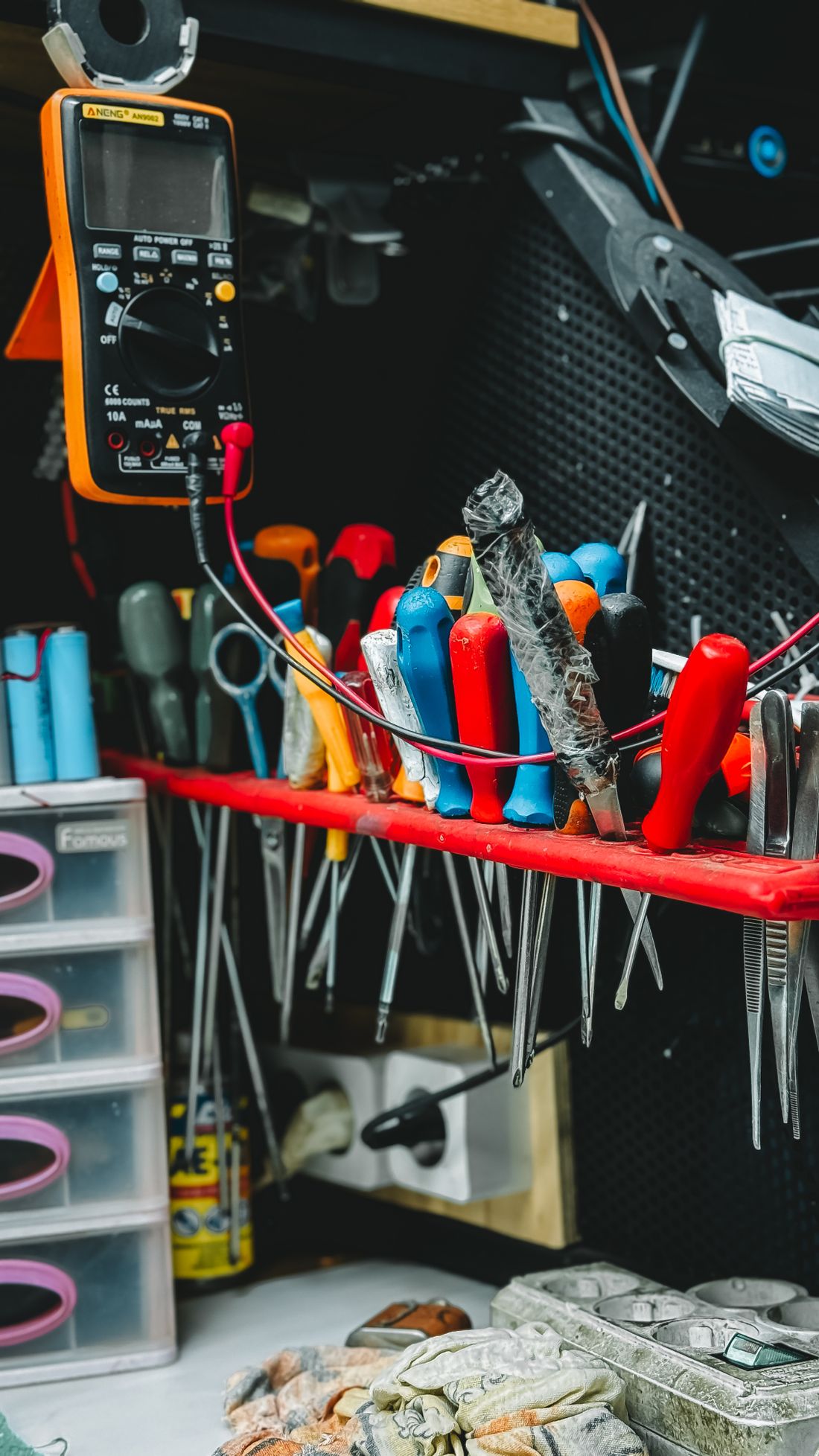
Build a toolkit around the tasks you repeat. Good fit, comfortable handling and appropriate materials make everyday repairs easier.
Start with fit
Choose screwdriver tips that fully engage the screw head, wrenches that fit the fastener and pliers with jaws suited to the work.
Inspect construction
Look for secure handles, sound joints, accurate markings and finishes suited to your environment. Comfort is important during repetitive tasks.
Buy a practical core
A hammer, tape measure, screwdriver set, adjustable wrench, pliers, level and hex keys cover many light home maintenance needs.
Measuring tools
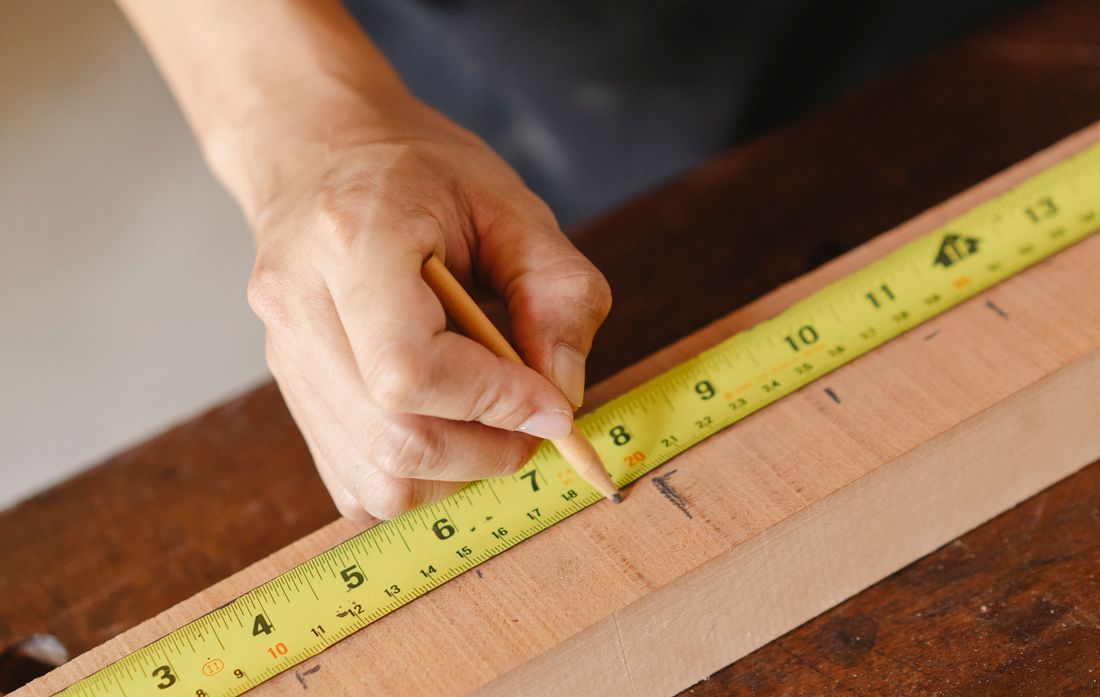
Good measurements save time and materials. Select the right range, readability and stated accuracy for the project.
Range meets reality
A tape measure is ideal for most household dimensions. Longer distances, precise layout or repeated measurements may call for specialized instruments.
Clarity matters
Check markings, blade width, locking action, readable displays, reference edges and how easily the tool works in your space.
Verify precision
Read the manufacturer's stated accuracy, especially for digital and laser tools. Check calibration or accuracy after drops or impacts.

Fasteners & fittings
Hardware is small, but compatibility is everything. Choose based on the material, application and the load your connection must safely support.
Know your surface
Wood, masonry, metal and drywall need different screws, anchors and installation methods. Never assume a universal fixing suits every substrate.
Check the fit
Confirm diameter, length, thread type, head style, coating and compatibility with the parts being joined.
Respect the rating
For shelves, wall-mounted items or load-bearing assemblies, follow manufacturer load limits and applicable building requirements.
Safety note: For structural attachments, overhead loads, electrical work, gas systems and other high-risk installations, use approved components and qualified professional advice.
Surface preparation
The best finish begins before paint, sealant or polish. Match your sanding and preparation supplies to the surface and coating system.
Start with the surface
Determine whether you're working on bare wood, painted material, metal or another substrate. Check for existing coatings and damage.
Choose abrasives carefully
Coarse grits remove material faster; finer grits are typically used for smoothing. Follow product instructions and avoid over-sanding.
Protect the work area
Include masking supplies, dust control, compatible cleaners, gloves and task-appropriate respiratory protection where needed.
Workshop safety
Don't make protective equipment an afterthought.
Consider the complete workspace: secure materials, storage, lighting, ventilation, access to power and the actual hazards of each task.
Tool care essentialsInspect tools and accessories before every use.
Follow the manufacturer’s instructions and rated limits.
Choose protective eyewear, hearing and respiratory equipment for the specific hazards.
Keep tools properly stored, workpieces secure and children away from the work area.
Match task to tool
Before adding anything to your cart, compare the job you want to do with the equipment that realistically supports it.
| Your project | Tools to consider | Check before buying |
|---|---|---|
| Assemble flat-pack furniture | Screwdrivers, hex keys, tape measure | Tip sizes, required fittings, hand clearance |
| Drill into wood | Drill-driver and suitable wood bits | Chuck size, capacity, speed and bit type |
| Hang suitable light items | Level, drill, appropriate anchors | Wall material, concealed utilities and rated load |
| Smooth a wooden surface | Sanding block or sander, abrasives | Material, grit progression and dust protection |
| Organize a home workshop | Tool storage, bins, clamps, workbench | Space, stability, weight limits and access |
A smarter checklist
A short review before buying can prevent wasted time, unsuitable accessories and unexpected costs.
THE MENDRIX PURCHASE CHECKDefine the task. Be clear about the material, dimensions and frequency of use.
Confirm compatibility. Check the correct sizes, batteries, blades, bits and fasteners.
Include the extras. Budget for protective equipment, consumables and maintenance.
Read the details. Compare specifications, product contents and any manufacturer warranty.
Review store policies. Know the shipping estimate, returns process and support options.
Buying FAQs
Small questions can make a big difference when you are deciding what belongs in your toolkit.
Explore all FAQsShould I buy a tool kit or individual tools?
Starter kits can be convenient if most included pieces match your needs. Individual purchases are often better when you need particular sizes, higher-quality components or a specialized application.
Are cordless tools always better?
No. Cordless tools offer freedom of movement, but corded versions may suit prolonged work near a suitable power source. Compare performance, battery platform, charging time and total cost.
How do I select the right screws and anchors?
Identify the material and load, then verify the manufacturer’s compatible fixing type, dimensions and installation method. Use professional advice for critical attachments.
Do expensive tools automatically last longer?
Not necessarily. Construction, task suitability, operating conditions, care and access to replacement parts all matter. Compare the specifications and warranty terms for the product you are considering.
What should first-time DIY buyers purchase?
Start with a tape measure, screwdriver set, hammer, adjustable wrench, combination pliers, level, utility knife and appropriate protection. Add power tools when your planned projects require them.
Where can I find help after purchasing?
See our product-care guide, warranty information, shipping information and Help Center. Manufacturer instructions remain the primary reference for operating and maintaining a specific tool.
Choose with confidence.
Explore tools and hardware, then keep learning with practical project ideas and everyday maintenance advice.